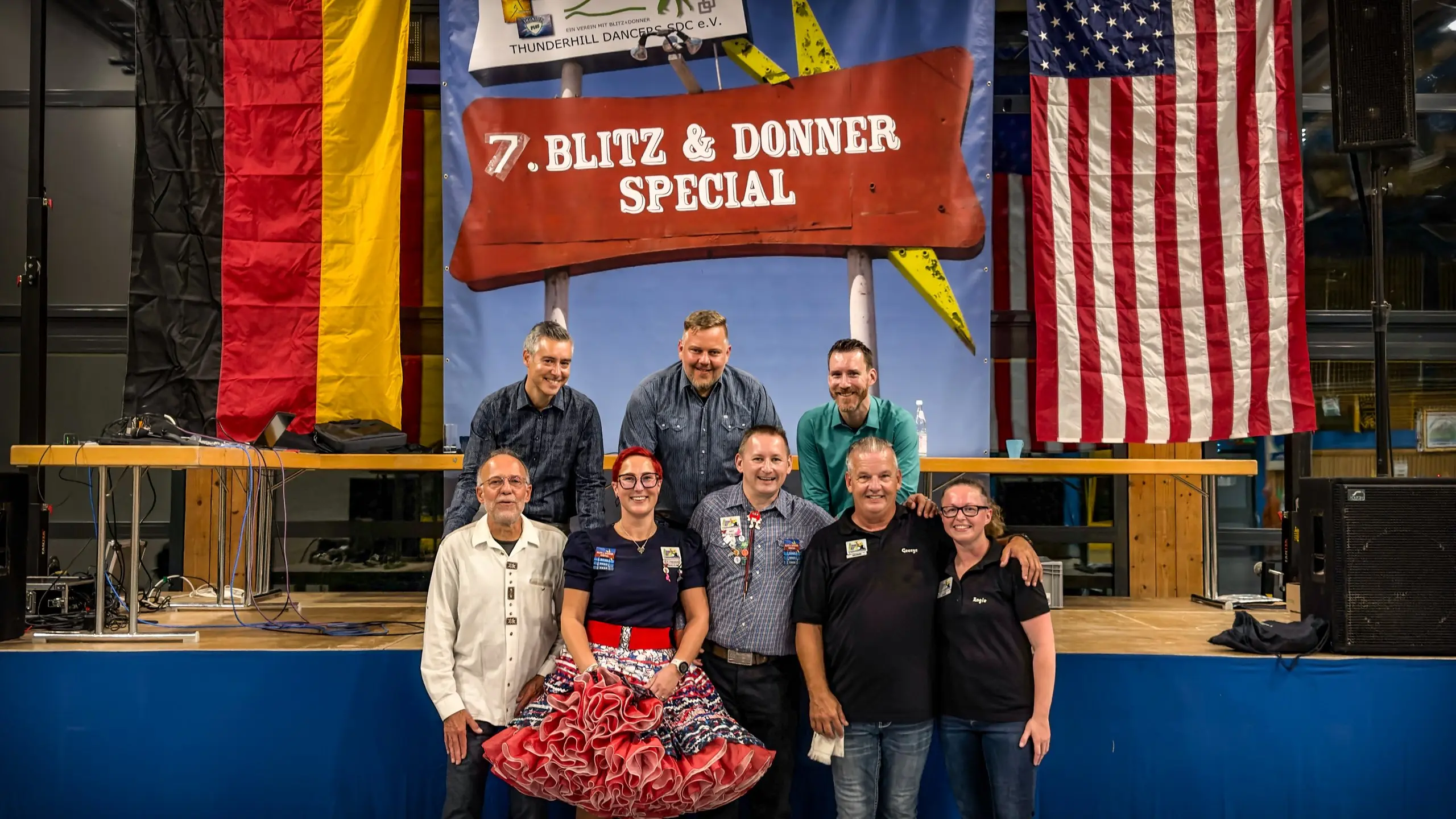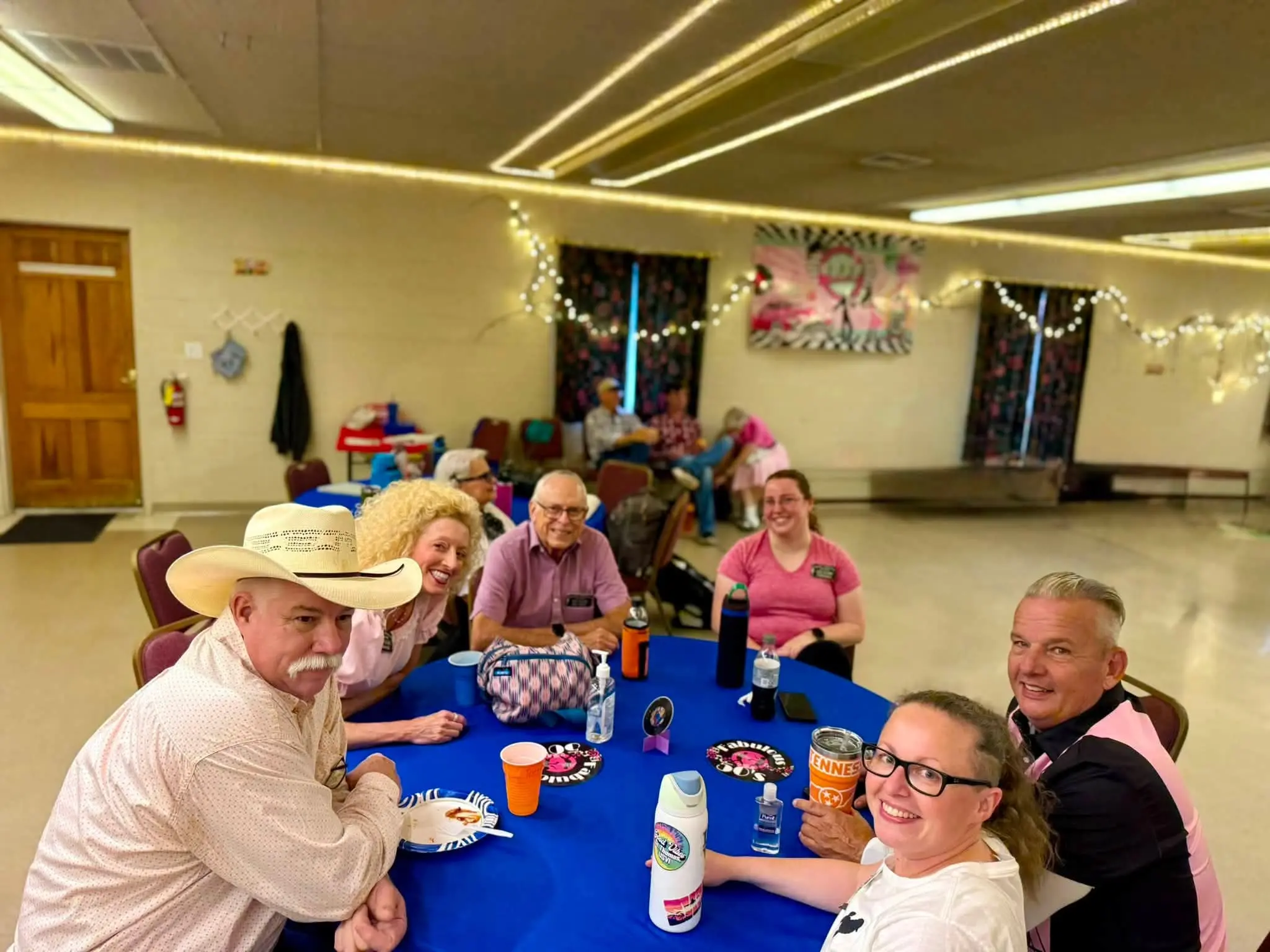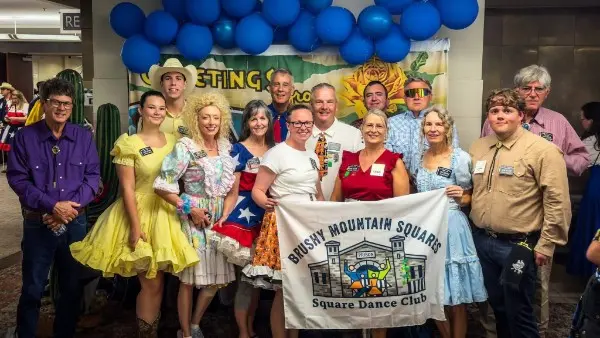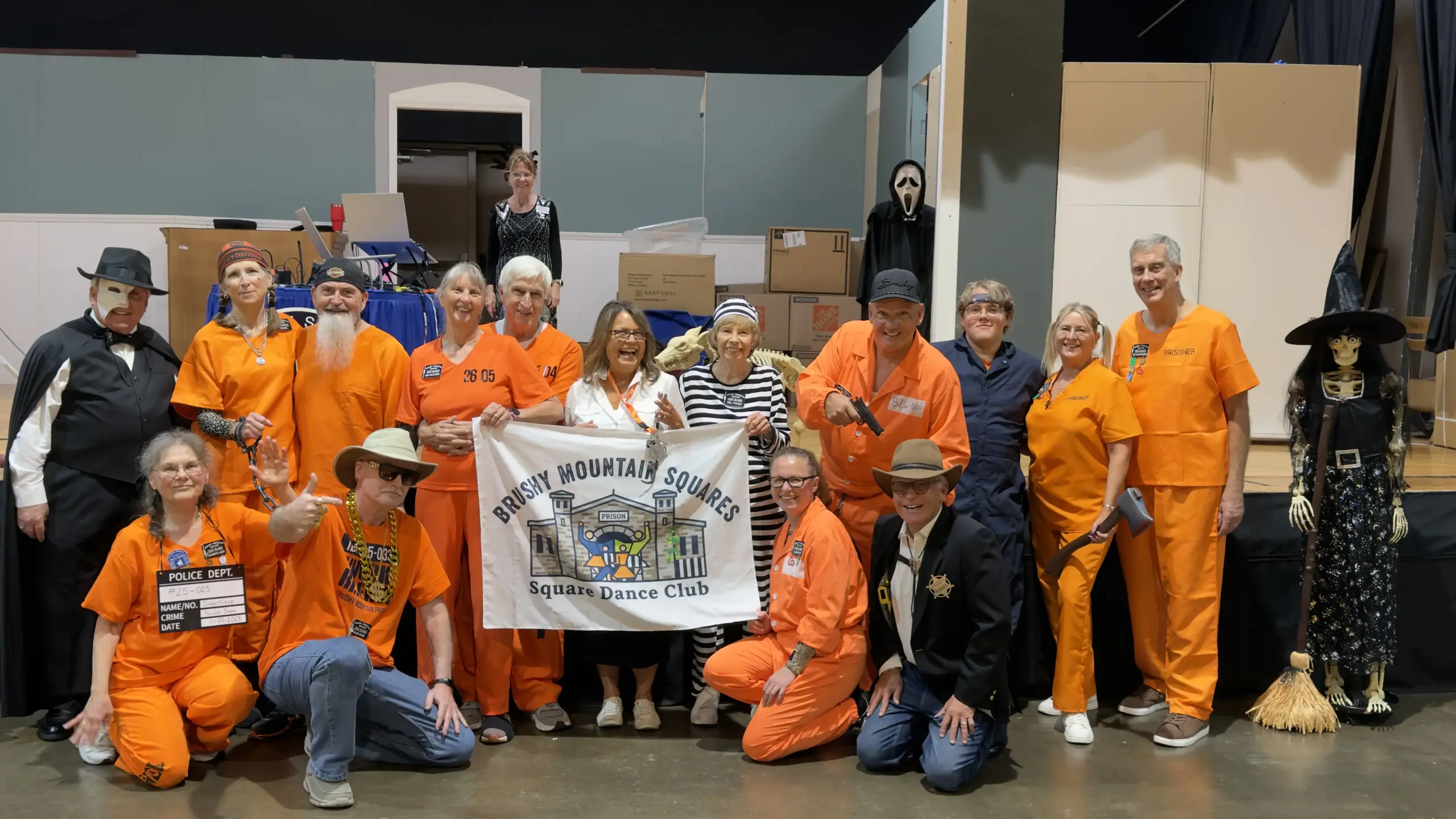
A few of Brushy Mountain Outlaws (The Transporter, Queen Pookie, Cool Man Luke, and Snowflake) made the trip to celebrate the Western Promenaders’ 70th Anniversary, and it was one for the books. The floor stayed lively all night with Jet and Sylvia Roberts keeping everything moving and the dancers right on cue.
Good friends, great dancing, and a whole lot of fun packed into one night. Everyone left with smiles, tired feet, and memories worth the miles.
Sometimes, square dancing takes you a little farther than the next county over.
This past weekend, two of our own (Big Man & Babyface) from the Brushy Mountain Squares packed their bags, laced up their dancing shoes, slid their dancing socks over their toes and pointed themselves north toward Dayton, Ohio. The occasion wasn’t just another dance—it was something deeper, something that reminds us why this community means so much.
They were headed to Jack Pladdys’ Appreciation Dance.
Now, if you’ve been around square dancing long enough, you know names come and go across the microphone—but some voices stick with you. Not just for the calls, but for the kindness behind them. This dance was held to support Jack as he continues a hard fight—battling cancer that has metastasized to his jaw, and the ongoing medical care that comes with it.
And that’s where the square dance world does what it does best.
It shows up.
No matter the miles, no matter the distance, dancers gather. Not just to swing and promenade, but to lift each other up in ways that go far beyond the floor. That’s exactly what our Brushy Mountain travelers did—carrying a little piece of Tennessee with them into that hall in Dayton.
We like to think there’s a certain style to Brushy Mountain Squares. It’s not just in how we dance—it’s in how we care. It’s in the willingness to drive hours just to stand in a square with someone who needs support. It’s in the laughter shared between tips, the quiet understanding during a slow song, and the unspoken promise that none of us dance alone.
Of course, not everyone could make the trip up to Dayton—but if you know Brushy Mountain Squares, you know that doesn’t mean they weren’t there in spirit. Back home in the hills, there were folks thinking about Jack and wishing they could be in that square. Around here, you don’t have to cross state lines to stand with someone—you just have to care. Whether they were dancing in Ohio or holding down the fort wherever we hail from, every one of us square dancers were a part of that circle, proving once again that square dancers show up… one way or another.
From the hills of Tennessee to the heart of Ohio and around the world, that spirit traveled well.
We’re proud of our dancers who made the trip. Proud to be part of a community that rallies when it matters. And proud to call folks like Jack Pladdys part of our extended square dance family.
If you would like to support Jack Pladdys – visit http://www.jacksday.com to “Tip The Caller” or send a check to the address listed.
Because at the end of the day, it’s not about perfect timing or fancy footwork.
It’s about showing up… and keeping the circle (or square) unbroken.
When people think of square dance, they often picture energetic groups in colorful skirts and western shirts, but few know the name behind one of the most influential voices in the activity’s modern era — Bob Osgood.
Bob’s journey in square dancing began long before most dancers knew there was a “square dance world.” As a college student in Southern California, he started calling dances and teaching steps. His passion for the activity grew even during World War II, when he organized and called dances for fellow servicemen — a role that sharpened both his skills and his belief in the power of community through dance.
A Voice and a Magazine That Connected a Movement
After the war, Bob realized something important: square dancers and callers across the country were eager to share ideas, but there was no hub for conversation or connection. In 1948, he launched Sets in Order, a monthly magazine dedicated to square dance choreography, culture, news, and education. What began as a regional publication quickly became a national phenomenon — eventually running 444 issues over 37 years — and served as a central resource for dancers, teachers, and callers around North America and beyond.
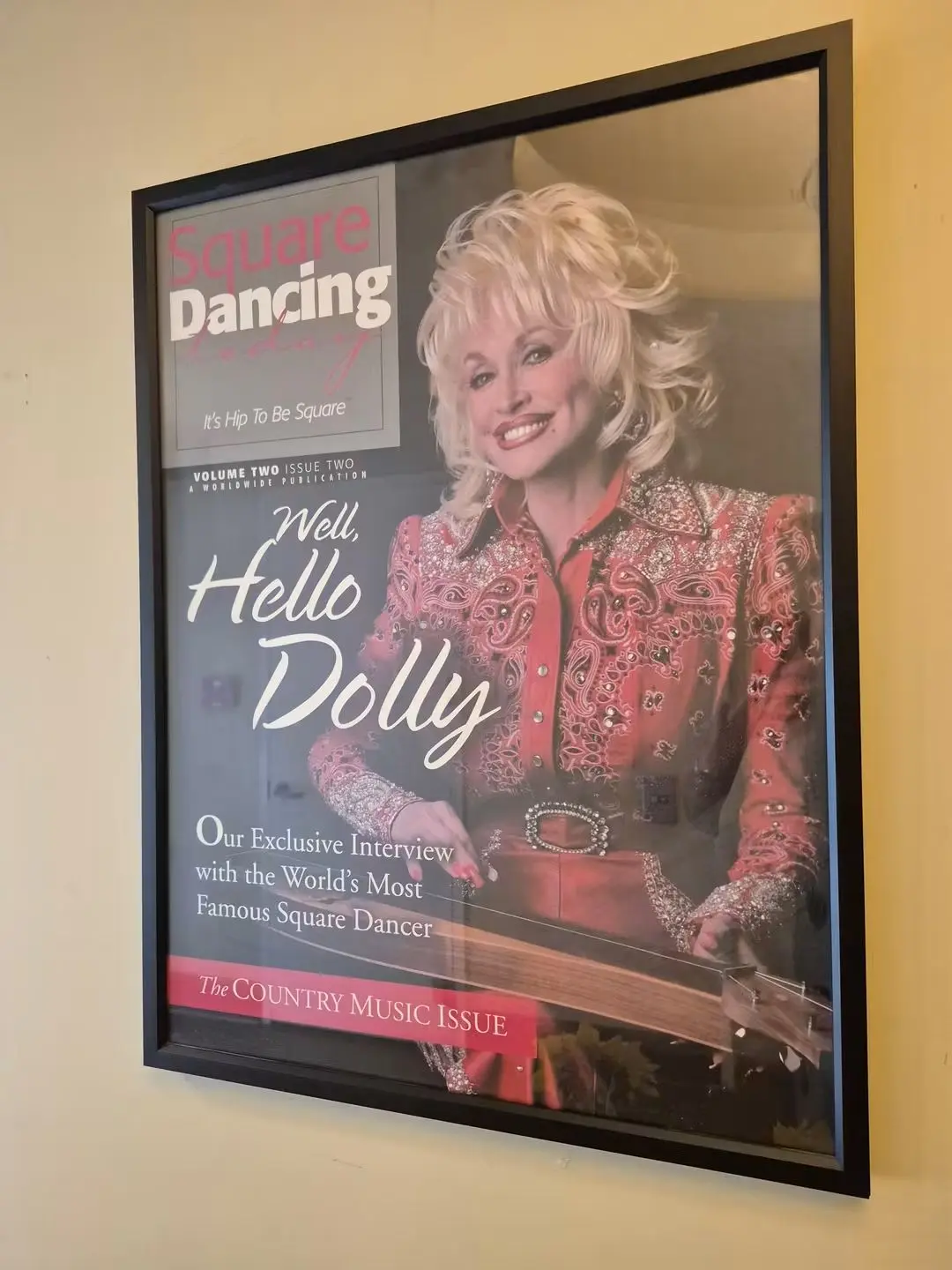
Through the pages of the magazine (retitled Square Dancing in later decades), Bob published dance calls, club news, teaching guides, and essays that helped standardize terminology and technique. His editorial leadership gave square dance its own shared language and community network at a time when the hobby was spreading but lacked cohesion.
Beyond Print: Radio, TV, Tours, and Leadership
Bob’s influence wasn’t limited to print. In the early 1950s, he produced and hosted square dance television programs, bringing instruction and joy into people’s homes at a time when TV was still young. He also helped organize workshops, caller schools, vacation dance institutes, and even international tours for square dancers — helping spread the activity to audiences as far away as Europe, Asia, and Hawaii.
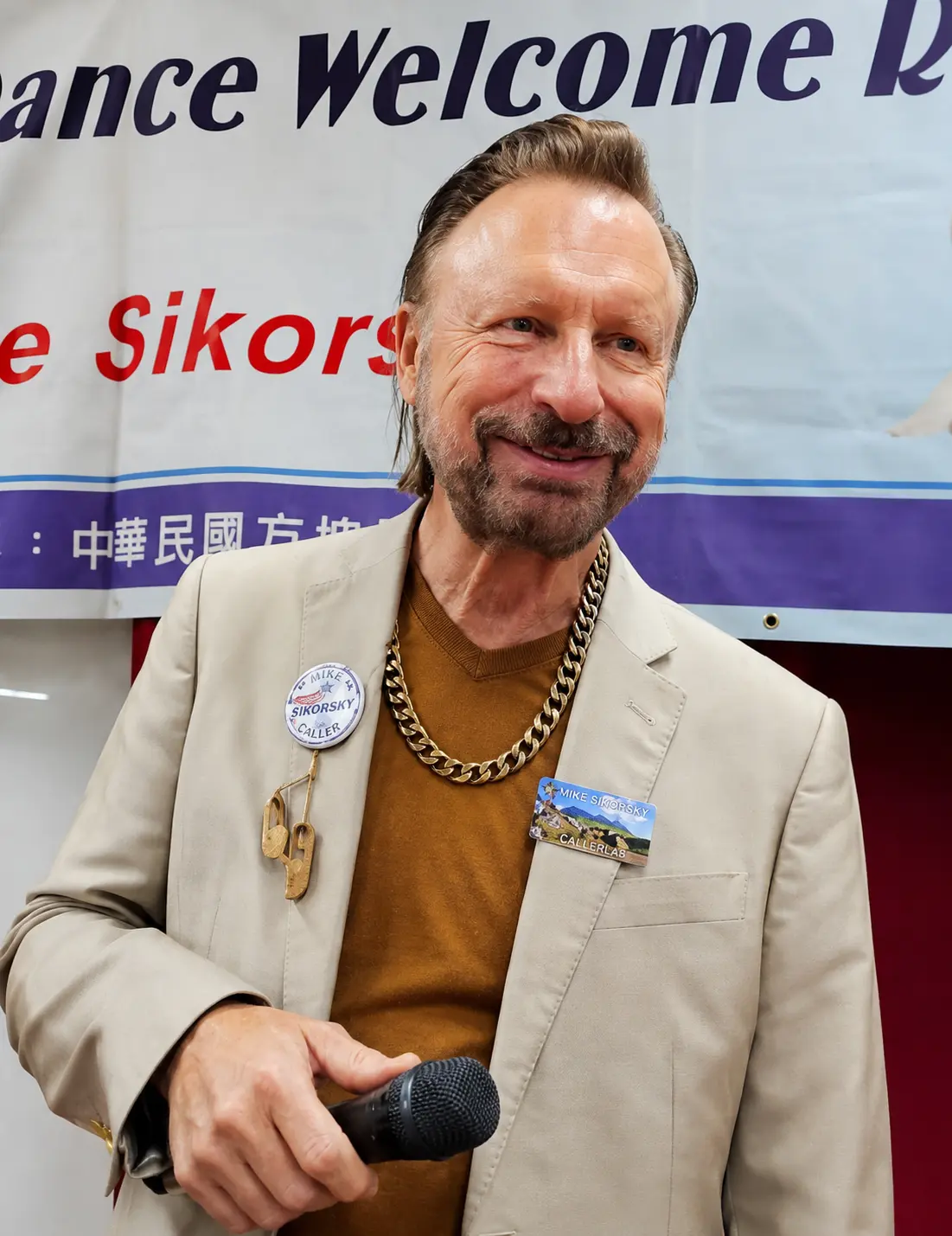
Perhaps one of his most lasting legacies was his role in the formation of CALLERLAB, the International Association of Square Dance Callers. In the late 1960s and early 1970s, as square dance terminology and expectations were becoming more complex, Bob helped convene callers and leaders to create standardized teaching programs still used today. He served as the organization’s first Executive Secretary and later Board Chairman, fostering collaboration across the community.
Legacy and Importance
Bob Osgood often said that square dancing was more than steps and calls — it was “friendship set to music.” That philosophy guided his work as a caller, publisher, organizer, and promoter. His vision connected dancers across cities, states, and even continents, giving square dance a structure, visibility, and vibrancy that ensured it would thrive long after his lifetime. For us today, Bob Osgood’s contributions are a reminder that preserving tradition while building community can keep culture alive — and that one passionate individual can shape an entire movement. His work continues to influence how we teach, dance, and celebrate square dancing, making him an enduring figure in our lives and in the history of this uniquely American art form.
Though he passed away in 2003, Bob Osgood’s influence still echoes in dance halls, magazines, caller conventions, and the vibrant community he helped build. Whether you’re a seasoned caller or a newcomer learning your first do‑si‑do, his fingerprints are part of the joy you experience on the dance floor.
Bob should be the reminder to callers that while calling steps is important, what really mattered was helping dancers connect with one another through the joy of the dance.
Cookie Consent
We use cookies to improve your experience on our site. By using our site, you consent to cookies.
Cookie Preferences
Manage your cookie preferences below:
Essential cookies enable basic functions and are necessary for the proper function of the website.
Name
Description
Duration
Cookie Preferences
This cookie is used to store the user's cookie consent preferences.
30 days
These cookies are needed for adding comments on this website.
Name
Description
Duration
comment_author_email
Used to track the user across multiple sessions.
Session
comment_author_url
Used to track the user across multiple sessions.
Session
comment_author
Used to track the user across multiple sessions.
Session
Google reCAPTCHA helps protect websites from spam and abuse by verifying user interactions through challenges.
Name
Description
Duration
_GRECAPTCHA
Google reCAPTCHA sets a necessary cookie (_GRECAPTCHA) when executed for the purpose of providing its risk analysis.